How Much Should You Spend on a Snooker Cue? A Beginner's Guide to Buying the Right Cue
Share
Quick Answer
There isn’t a single ‘right’ amount to spend on a snooker cue, but many beginners start with a budget of £75–£150. It offers a good balance between quality, performance and value, without paying for features that are more likely to appeal to experienced players.
Quick Buying Guide
| Budget | Best For | Recommendation |
|---|---|---|
| Under £75 | Occasional players | Good for learning the basics. |
| £75–£150 ⭐ | Most beginners and club players | Excellent value and our recommended choice. |
| £150–£300 | Intermediate & League players | Higher quality materials and craftsmanship. |
| £300+ | Enthusiasts and bespoke buyers | Premium craftsmanship rather than dramatically improved performance. |
How Much Should You Spend on a Snooker Cue? A Beginner's Guide to Buying the Right Cue
📖 8 min read • Updated July 2026
Buying your first snooker cue can feel overwhelming. A quick search online reveals cues costing anywhere from under £50 to well over £1,000. So, how much should you actually spend?
The good news is that you don't need to buy the most expensive cue to enjoy snooker or improve your game. In fact, many experienced players will tell you that finding a cue which feels comfortable and suits your playing style is far more important than its price tag.
In this guide, we'll explain why snooker cue prices vary, what you can expect at different price points, and how to choose the best cue for your budget. Whether you're buying your very first cue or upgrading from a club cue, you'll find practical advice to help you make the right decision.
If you're ready to browse quality cues, explore our Snooker Cue Collection, featuring options suitable for beginners through to experienced league players.
Why Do Snooker Cue Prices Vary So Much?
One of the first things beginners notice is the huge difference in price between snooker cues. Some cost less than a night out, while others cost as much as a second-hand car.
This doesn't mean an expensive cue will automatically make you a better player. Instead, the price usually reflects the materials used, the craftsmanship involved and the amount of time required to build the cue.
The main factors affecting the price of a snooker cue include:
- Quality of the ash shaft
- Straightness and consistency of the grain
- Machine-made or hand-spliced construction
- The type of hardwood used in the butt
- Quality of the brass joint and fittings
- Balance and weight distribution
- Hand finishing and polishing
- Customisation and decorative veneers
- The reputation of the cue maker
As prices increase, you're generally paying for higher-quality materials and greater attention to detail—not necessarily a dramatic improvement in your ability to pot balls.
For first-time buyers, it's far better to invest in a well-made cue that feels natural than spend hundreds of pounds on features you'll barely notice during your first few years of playing.
How Much Should You Spend on a Snooker Cue?
For most beginners and improving club players, the sweet spot is between £75 and £150.
Within this price range you'll find excellent quality cues that can last for many years if they're properly cared for. You'll enjoy better balance, higher quality ash, improved construction and a more consistent playing experience than you'll typically find with entry-level cues.
Let's break down what you can expect at each budget.
Snooker Cue Budget Guide
Under £75 – Ideal for Casual Players
If you've only recently discovered snooker or play occasionally with friends, there's nothing wrong with starting with a budget-friendly cue.
At this price point you can expect:
- Machine-produced construction
- Basic ash shafts
- Standard brass joints
- Simple finishes
- Good value for recreational play
These cues are perfect if you're still deciding whether snooker is a hobby you'll pursue long-term. They're also popular for home games or as spare cues.
However, if you start playing regularly at a local club, you'll probably begin to notice the difference between an entry-level cue and one built with higher-grade materials.
£75–£150 – The Best Value for Most Players ⭐
This price range is worth considering for beginners who expect to play regularly.
A snooker cue in this price range offers the best balance between quality, performance and affordability. Many club players continue using cues from this category for years without ever feeling the need to upgrade.
Depending on the manufacturer, you may find:
- Higher quality North American ash shafts
- Straighter, tighter grain
- Improved balance
- Better quality brass joints
- Higher quality cue tips
- Superior craftsmanship
- A cue that feels more consistent shot after shot
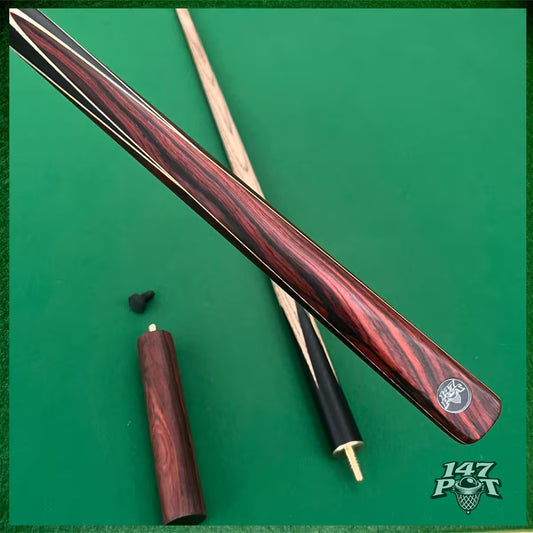
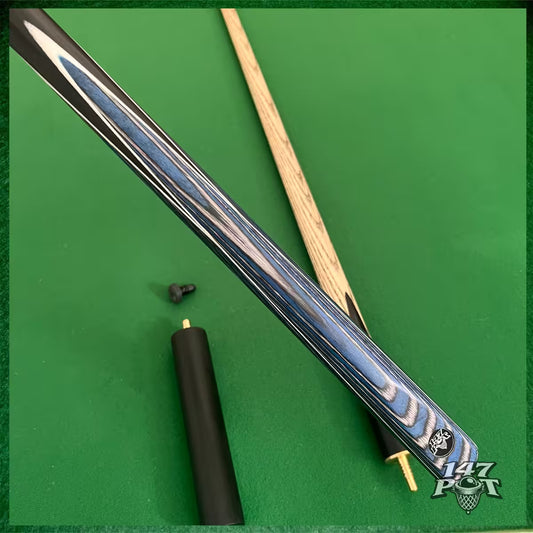
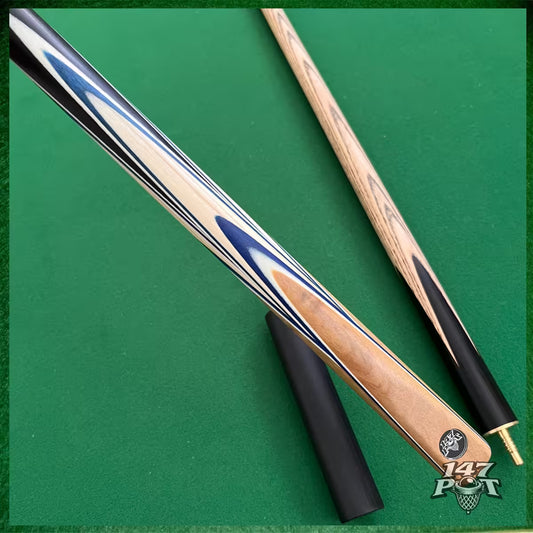
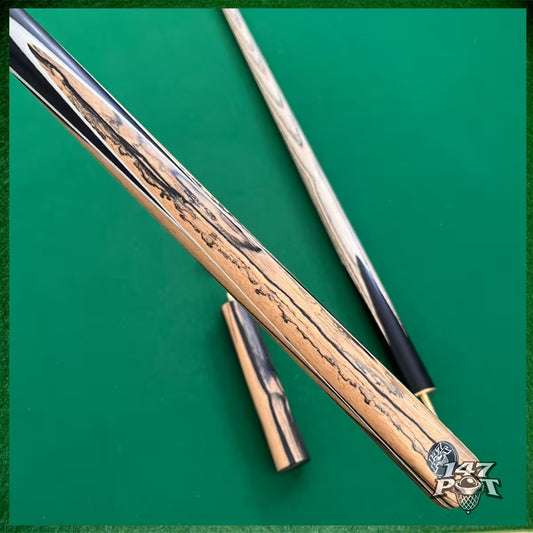
This is also where you'll find many excellent 3/4 snooker cues, the preferred choice for the majority of UK players because they're easy to transport while maintaining excellent rigidity.
Browse our carefully selected range of 3/4 Snooker Cues to find a cue that suits your budget and playing style.
For most first-time buyers, spending around £100 represents excellent value for money and provides a cue capable of lasting many years.
£150–£300 – Serious Club & League Players
Once your budget moves beyond £150, you're beginning to pay for refinement rather than dramatic improvements in performance.
Cues in this category often feature:
- Selected straight-grain ash
- Improved balance and weight distribution
- Hand-spliced construction
- Decorative veneers
- Premium finishing
- Higher attention to detail throughout the manufacturing process
If you compete regularly in leagues or local tournaments, this can be an excellent long-term investment. A quality cue at this level could comfortably last decades with proper care.
However, it's important to remember that confidence, technique and practice still have a far greater influence on your results than the extra £100–£200 spent on your equipment.
£300+ – Premium & Bespoke Snooker Cues
Professional-quality and bespoke snooker cues often cost several hundred pounds and, in some cases, well over £1,000.
These cues are often handcrafted over many hours using carefully selected timbers and can include:
- Exotic hardwoods
- Custom specifications
- Hand-selected ash shafts
- Traditional hand-splicing
- Decorative inlays and veneers
- Personalised weights and balance points
They're beautiful pieces of craftsmanship, but they're not essential for becoming a better player.
For beginners, investing the difference in table time and practice will almost always improve your game more than buying an expensive cue.
Stephen Hendry’s £40 Cue
If you think you need to spend hundreds of pounds to play great snooker, the career of Stephen Hendry tells a very different story.
The seven-time World Snooker Champion bought his cue when was a teenager from a snooker club in Dunfermline. The cue cost him only £40.
"I’ve had the same cue since I was 14… Only 40 quid, off the shelf… But it was worth everything to me.”
Remarkably, Hendry went on to win all seven of his World Snooker Championship titles using that same cue, until it was accidentally broken in an airplane hold returning to the UK from a snooker tournament.
His story perfectly illustrates one of the biggest misconceptions surrounding snooker equipment. Success comes from confidence, consistency and countless hours of practice—not from buying the most expensive cue on the market.
As your game develops, your cue becomes familiar. You learn exactly how it feels, how it responds and how much power it delivers. That relationship is worth far more than chasing the latest premium model.
So before stretching your budget unnecessarily, remember that one of the greatest players the sport has ever seen spent "Only 40 quid" on a cue.
Our Recommendation
If you're buying your first snooker cue today, we'd recommend budgeting between £75 and £150. This price range offers outstanding value, reliable performance and enough quality to support your progress for many years.
Rather than chasing the highest price tag, focus on choosing a cue with good balance, a quality ash shaft and a specification that feels comfortable in your hands.
Choosing Between a One-Piece and 3/4 Snooker Cue
One of the first decisions you'll make is whether to buy a one-piece cue or a 3/4 snooker cue.
For most club players, league players and home users, a 3/4 jointed cue is the obvious choice.
Advantages include:
- Easier to transport to clubs and competitions
- Fits easily into cue cases
- Maintains excellent rigidity
- Compatible with extensions and mini butts
- Available in a huge range of specifications
Unless your cue will permanently stay in a locker or safe place near your home or club table, a 3/4 cue offers the perfect combination of convenience and performance.
Explore our range of 3/4 Snooker Cues.
Don't Forget to Protect Your Investment
Buying the right cue is only part of the story. Looking after it is equally important.
Even a well-made cue can become damaged if it's carried loose in a car boot, stored in damp conditions or knocked against hard surfaces.
A quality snooker cue case helps protect your cue from everyday knocks while keeping your extensions, chalk and accessories organised.
Many of our cue cases are suitable for both snooker cues and UK-style pool cues, making them an excellent long-term investment regardless of which cue sports you enjoy.
Browse our range of Snooker Cue Cases.
Should You Buy a Cue Bundle?
If you're buying your first cue, a cue bundle can often save money compared with purchasing each item separately.
Typical bundles may include:
- 3/4 snooker cue
- Cue case
- Extension
- Mini butt
- Chalk
- Cleaning cloth
For beginners, buying everything together removes the guesswork and ensures all your equipment is compatible from day one.
See our latest Snooker Cue Bundles.
Five Common Mistakes First-Time Buyers Make
1. Buying the Cheapest Cue Available
While there's nothing wrong with a budget cue, buying solely on price can lead to disappointment if the cue lacks balance or build quality.
2. Assuming Expensive Means Better
As Stephen Hendry proved, confidence and familiarity are far more valuable than an expensive price tag.
3. Ignoring Cue Length and Weight
Most adult players choose cues between 57 and 58 inches in length and around 17–19 ounces in weight, but personal preference always matters more than following trends.
4. Forgetting About Accessories
Without a cue case, extension and chalk, your new cue is more likely to suffer damage and you'll soon find yourself buying additional equipment anyway.
5. Buying Before Asking for Advice
If you're unsure which cue is right for you, don't guess. We're always happy to help players choose equipment that suits their budget and playing style.
Quick Buying Guide
| Budget | Best For | Recommendation |
|---|---|---|
| Under £75 | Occasional players | Good for learning the basics. |
| £75–£150 ⭐ | Most beginners and club players | Excellent value and our recommended choice. |
| £150–£300 | Intermediate & League players | Higher quality materials and craftsmanship. |
| £300+ | Enthusiasts and bespoke buyers | Premium craftsmanship rather than dramatically improved performance. |
Frequently Asked Questions
How much should I spend on my first snooker cue?
For most beginners, between £75 and £150 provides the best balance of quality, durability and value.
Can an expensive cue improve my game?
Not on its own. Practice, coaching and confidence have a much greater influence on performance than spending more money on equipment.
Are 3/4 snooker cues better?
For most players, yes. They're easier to transport, compatible with cue extensions and cue cases, and are a popular option among UK club players.
How long should a good snooker cue last?
With proper care, a quality snooker cue can last for years. Some professional players use the same cue throughout much of their careers.
Should I buy a cue case at the same time?
A suitable cue case is a sensible addition because it helps protect the cue from knocks, moisture and damage during transport.
Final Thoughts
Buying your first snooker cue doesn't have to be confusing.
While it's easy to assume that spending more money guarantees better results, the reality is very different. A well-made cue that feels comfortable in your hands will usually serve you far better than an expensive cue chosen simply because of its price.
For most beginners, investing between £75 and £150 offers the perfect balance between quality and affordability. Pair your cue with a protective cue case, practise regularly and you'll have equipment capable of supporting your game for many years.
Remember Stephen Hendry's story. One of the greatest players in snooker history won seven World Championships with what he described as "a cheap bit of wood". Your success will come from dedication, confidence and practice—not from chasing the highest price tag.
Whether you're buying your very first cue or upgrading from a club cue, 147Pot offers carefully selected snooker equipment designed to suit players of every ability.